Adapted Physical Activity at AGDUC

Adapted Physical Activity (APA) encompasses physical, athletic, or artistic activities tailored to each person’s abilities and safety.

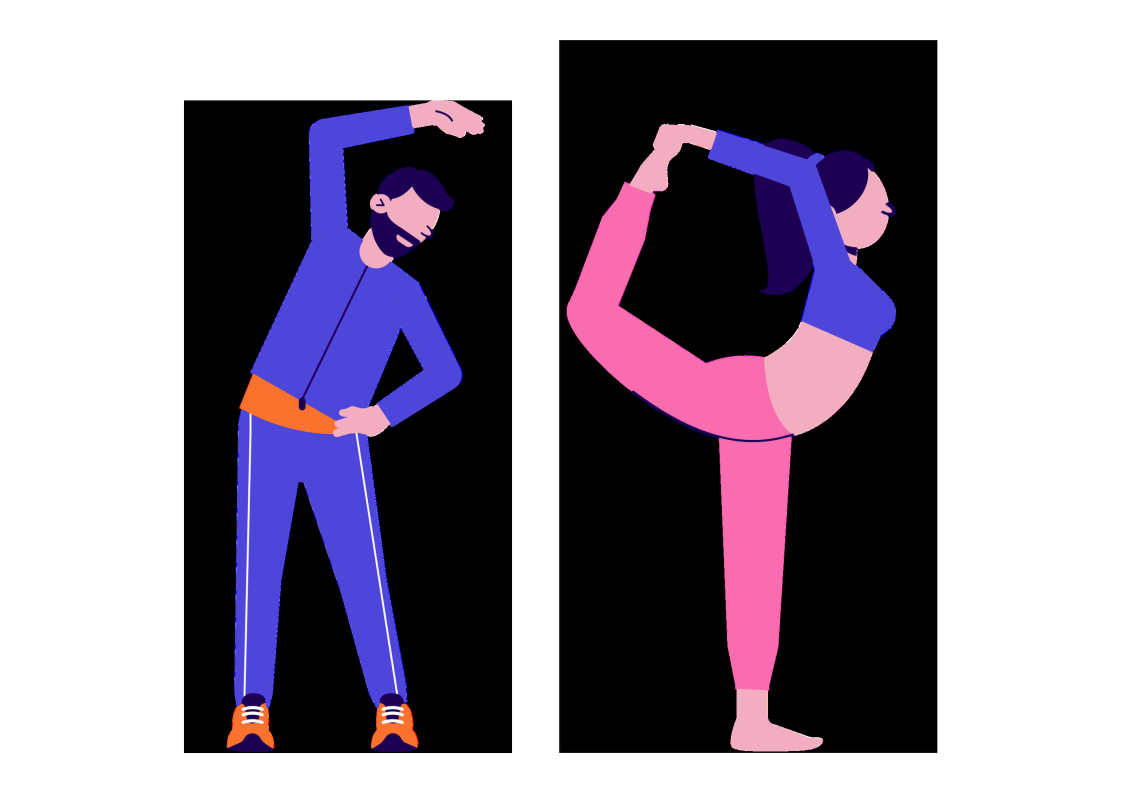
Adapted Physical Activity (APA) is designed for people whose physical, psychological, or social condition limits their ability to be active and participate in daily life. This includes, in particular, people with disabilities, those with chronic illnesses, those facing social integration challenges, and older adults.

Dr. Sophie Rubens-Duval, a nephrologist at the AGDUC in La Tronche, reminds us how essential physical activity is for people with chronic kidney disease :

“Our patients are uncharacteristically sedentary. Spending three half-days a week lying down during dialysis is a significant burden. A lack of physical activity increases cardiovascular risks, particularly arterial damage. Adapted physical activity can help reduce cramps, minimize episodes of low blood pressure, and improve mood.”

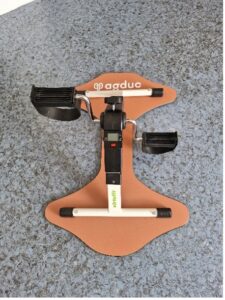
During dialysis sessions, APA is performed using pedal controls mounted at the foot of the bed, funded by the Voiron Lions Club. The wooden structures were built in partnership with Cotagon, which operates a woodworking shop at its center for adults with mental disabilities.

A patient at the La Tronche center, who attends an APA workshop every Monday, says:

"It feels really good, I feel like I'm doing better physically. It can be complicated sometimes! Yesterday, we did exercises with Frisbees; we moved around a lot. The workshops change from week to week—it’s not always the same thing. That said, we have to remember that when we’re older, these sessions aren’t going to make us feel like we’re 20 again. But if we keep doing the exercises at home, we really feel the benefits. In any case, it works well for me! »

Whether for mobility exercises or strength training, patients have plenty of equipment at their disposal: small dumbbells, balls, resistance bands… All of this equipment was funded by the France Rein Ardèche association, and Decathlon also made a generous donation to AGDUC.

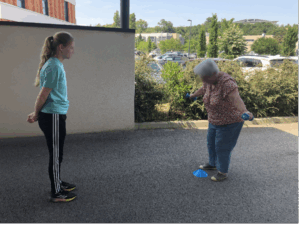
In Valence Tézier, the sessions are led by Nolwen, an APA instructor. Above all, she tailors the content of the sessions to the needs expressed by the patients: “For example, last time, they wanted towork on getting back up after a fall. “So we built the whole session around that,” she explains.

Every Friday, the group splits into two: one group is more energetic, while the other focuses more on balance.

Danielle, a patient, shares her experience:

“We're on the move, but we also meet people.” It has become a social gathering. “When someone’s away, we worry about them! For me, it really lifted my spirits. I felt less alone in dealing with my struggles. And with Nolwen, we trust each other. We’re not going to hurt each other.”

Since September 8, 2025, five Adapted Physical Education Teachers from the program Pas’Apa teach classes at various AGDUC centers. Dr. Rubens-Duval often tells his patients: “Having life insurance is good. But long-term care insurance is your muscle capital.” So if muscle is capital, at AGDUC, we’re determined to make it grow!